
Two players sit down at the same online casino, load the same slot, and spin for an hour. One doubles their balance. The other burns through three hundred euros without a single bonus round. Neither did anything wrong. The difference lives in a number most players never check: volatility. Understanding it is arguably more valuable than knowing the RTP, and yet it gets a fraction of the attention.
Volatility describes how a slot distributes its payouts over time. A low-volatility game hands out frequent, smaller wins. A high-volatility game withholds most of the time, then hits hard. Both can carry identical RTP — say, 96% — but the journey to that number looks completely different.
Think of it this way. Two machines both return 96 cents per euro wagered over millions of spins. One returns it in steady five-cent increments. The other returns nothing for 400 spins, then dumps 38 euros in a single cascade. The house edge is the same. Your experience is not.
This matters because your bankroll has a lifespan measured in spins, not in percentages. A 96% RTP tells you nothing about whether you will survive 50 spins or 500. Volatility does.
Most slots sit in one of three rough categories. The exact thresholds vary by provider, but the behaviour is consistent.
A practical mistake I see constantly: someone loads a 25,000x max-win slot with a 20-euro balance and expects to reach the bonus. Math says otherwise. High-volatility games genuinely require deeper reserves — often 300 to 500 spins' worth of stake just to have a reasonable shot at a meaningful hit.
Here is a simple framework worth applying before your next session.
This is not a guarantee of anything. It is simply damage control against variance, which is the only thing you can actually control.
The concept translates directly into other iGaming verticals, and players rarely make the connection. slot deposit dana covers this in more detail.
In poker, cash games are effectively low volatility — many small decisions, small edges, results that converge over thousands of hands. Multi-table tournaments are high volatility. You can play perfectly for four hours and bust on a 70/30. Bankroll management in poker reflects exactly this: tournament players need 50–100 buy-ins, cash players often need 20–30.
In sports betting, a single accumulator with eight legs is a high-volatility product. A single bet on a heavy favourite is low volatility. Same bookmaker, same edge, wildly different risk profiles. Most bettors who blow up their accounts are not bad at picking — they are mismatched on variance.
Crash games and live dealer multipliers operate on the same spectrum. The multiplier climbs, the probability of cashing out collapses. That is high volatility dressed up as a decision.
Not every game states it openly, but the information is usually recoverable.
RTP, by the way, should never be ignored either. A high-volatility slot with 94% RTP is a tougher proposition than a high-volatility slot at 96.5%. Volatility governs the ride. RTP governs the destination.
Here is the part that hurts. High-volatility games are engineered to feel like near-misses. Two scatters on reel five. A bonus symbol one position off. These moments keep players feeding a game that is statistically designed to pay out rarely. The dopamine loop is stronger in high-volatility titles precisely because the payouts are scarce.
Recognise this. If a slot is making you feel like you are "due", you are playing badly regardless of the mathematics. There is no due. Each spin is independent.
Low volatility has its own trap: the steady drip of small wins disguises how quickly the house edge grinds down a balance. Winning 40 cents every few spins feels pleasant until you realise an hour has passed and you are down 30 euros.
Before you pick a slot, decide what you actually want from the session. A 30-minute unwind with a fixed budget calls for low or medium volatility at small stake. A targeted shot at a large payout with money you are genuinely comfortable losing calls for high volatility, and you should treat it like a lottery ticket rather than an income plan.
Grinding through a casino bonus? Low volatility. Testing a new provider? Medium. Chasing a jackpot? You already know the answer.
The players who last longest in iGaming are not the ones with secret strategies. They are the ones who match their bet sizes and game choices to their bankroll and their tolerance for dead spins. Volatility is not a warning label. It is a tool. Used properly, it tells you exactly how much of your balance you should be risking on any given spin — and that single piece of information will do more for your longevity at the tables than any tip or system you will ever read.
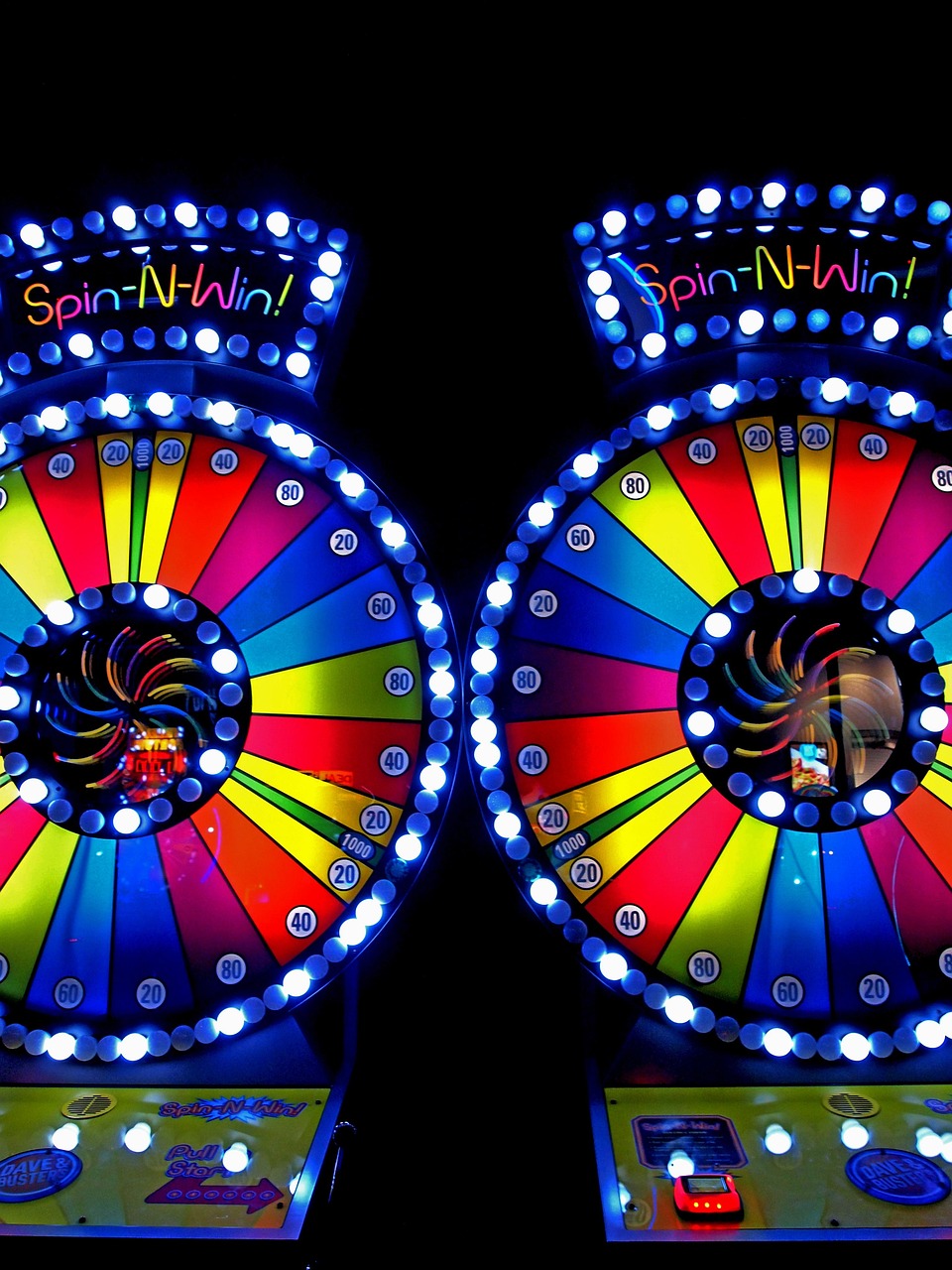
Every gambler remembers the night the slot machine paid out three thousand on a two-dollar spin. What they forget is...

A practical spring checklist for UK homes: cleaner windows, lighter textiles, brighter accessories and fresh...

Learn how to combine linen, velvet, wool and cotton cushions by texture, scale and colour, and layer them...

Feather-light inspiration for beautiful rooms..
