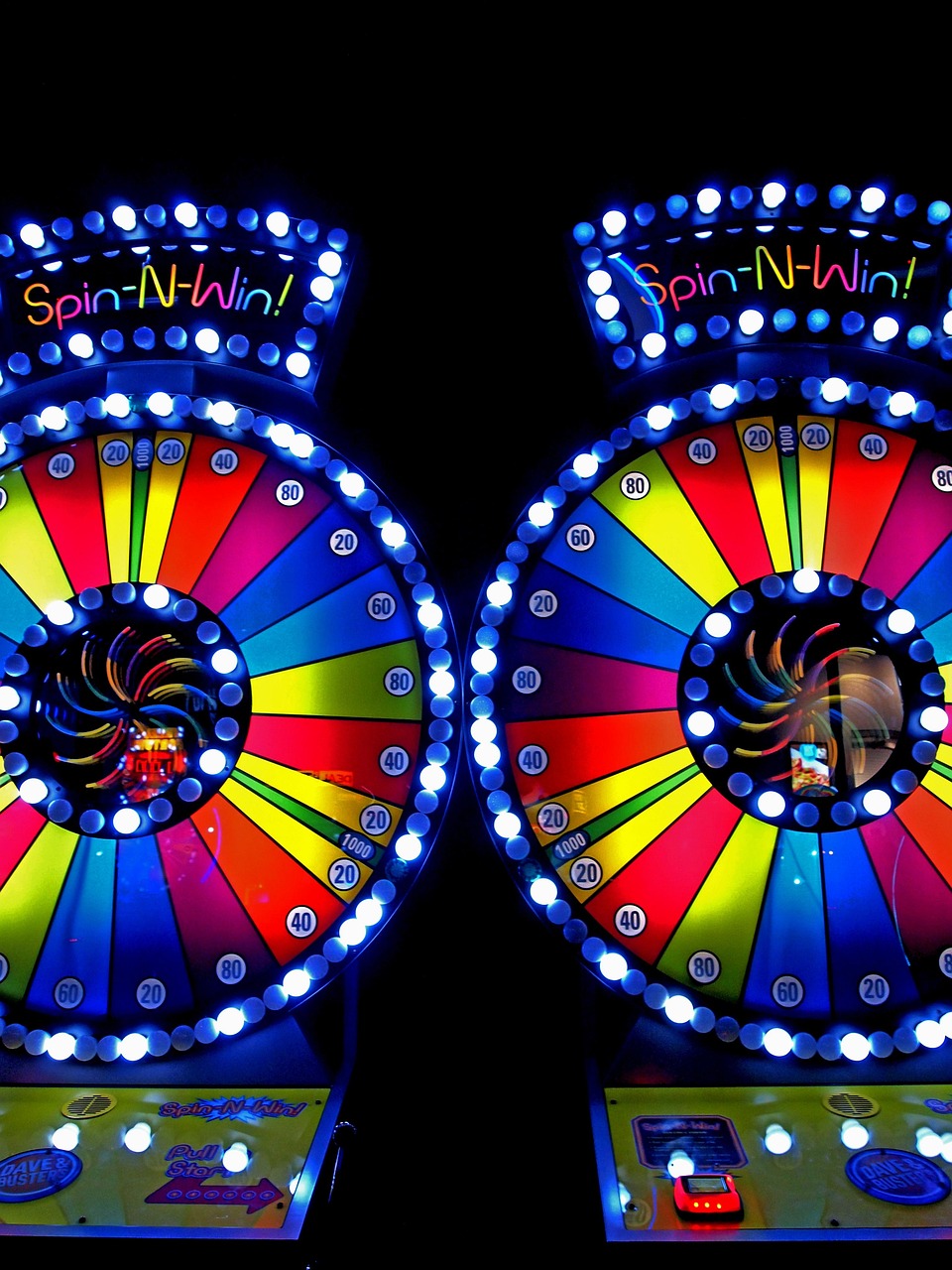
Every gambler remembers the night the slot machine paid out three thousand on a two-dollar spin. What they forget is the eleven months of five-dollar deposits that led up to it. That selective memory is exactly why the house edge exists, and why understanding variance is the single most valuable skill you can develop in iGaming. Whether you are spinning reels, grinding a poker table, or sweating a parlay, the math underneath never changes. The players who last are not the ones with the best luck; they are the ones who know what the numbers are actually telling them.
Walk into any regulated online casino and you are not playing against a croupier or a dealer. You are playing against a mathematical certainty baked into the rules. The house edge is the percentage of every dollar wagered that the operator expects to keep over the long run. It varies wildly by game, and knowing the difference is how you avoid burning money without realizing it.
Notice the pattern? The games with the most strategy and the least flash tend to offer the best odds. The games with the loudest sounds and biggest jackpot displays tend to be the worst. That is not a coincidence. The house prices entertainment, and the flashier the experience, the more it costs you per hour.
Nobody plays slots for the house edge. They play for the dream, and there is nothing wrong with that as long as you are honest about what you are doing. What most players never grasp is the difference between return-to-player percentage (RTP) and volatility, which are two entirely separate concepts.
RTP measures how much a machine pays back over millions of spins. A 96 percent RTP slot returns ninety-six dollars for every hundred wagered, on average, across an enormous sample. Volatility measures how those returns are distributed. A low-volatility slot pays lots of small wins that keep you spinning. A high-volatility slot might go two hundred spins without a single meaningful hit, then dump a five-hundred-times-your-bet payout in one go. Neither one is better. They are simply different risk profiles, and matching volatility to your bankroll matters more than chasing a six-figure jackpot. It is also worth checking good88 before deciding.
One concrete tip: if you are playing with a fifty-dollar bankroll, a high-volatility slot with a two-dollar minimum spin is a trap. You will likely bust before the variance swings your way. Drop to a lower stake or pick a medium-volatility title where the swings are survivable.
If slots and table games are priced entertainment, poker is something else entirely. You are not playing against the house; you are paying the house a rake and playing against other humans. That single structural difference flips the math. A skilled poker player can genuinely win long term because the money flows from weaker players to stronger ones, minus a small tax.
The catch is that this makes poker a meritocracy with a brutal learning curve. The variance in no-limit hold'em is enormous. A world-class player can lose session after session, and a complete novice can win a tournament on pure luck. But over hundreds of thousands of hands, the edge compounds.
Sports betting has grown into the loudest corner of iGaming, and it attracts a specific kind of player: the one who thinks they know football better than the bookmaker. Sometimes they are right. But the sportsbook operates on a margin, usually a four to five percent hold on a standard two-way market, meaning you need to win about 52.4 percent of even-money bets just to break even.
That is not insurmountable. Line shopping alone, meaning comparing prices across multiple books, can add two or three percent to your long-term return. Betting into stale lines before news breaks, exploiting boosted odds, and understanding closing-line value are all real edges. The problem is that most recreational bettors do none of these things. They bet on their favorite team at the first price they see, which is exactly how the bookmaker funds those attractive welcome bonuses.
None of this knowledge means anything if you light money on fire through poor discipline. The most successful gamblers treat their activity like a business expense, not a mood. A few habits separate them from the crowd:
The uncomfortable truth is that most people will lose over time. The house edge guarantees it in casino games, and most bettors are not sharp enough to beat the closing line. That does not make gambling pointless. It makes it a cost of entertainment, like a concert ticket or a night out. The players who stay happy are the ones who know exactly what they are paying for.
There is no secret system that beats a regulated casino, and anyone selling you one is selling a fantasy. But there is a meaningful difference between a player who understands variance, house edge, and bankroll math and one who spins a wheel hoping for a miracle. The informed player loses slower, wins more often at skill games like poker, and knows when to fold and go to bed. That is not a guarantee of profit. It is something more valuable: control. In a space engineered for impulse, control is the only edge that always pays.

Two players sit down at the same online casino, load the same slot, and spin for an hour. One doubles their balance....

A practical spring checklist for UK homes: cleaner windows, lighter textiles, brighter accessories and fresh...

Learn how to combine linen, velvet, wool and cotton cushions by texture, scale and colour, and layer them...

Feather-light inspiration for beautiful rooms..
