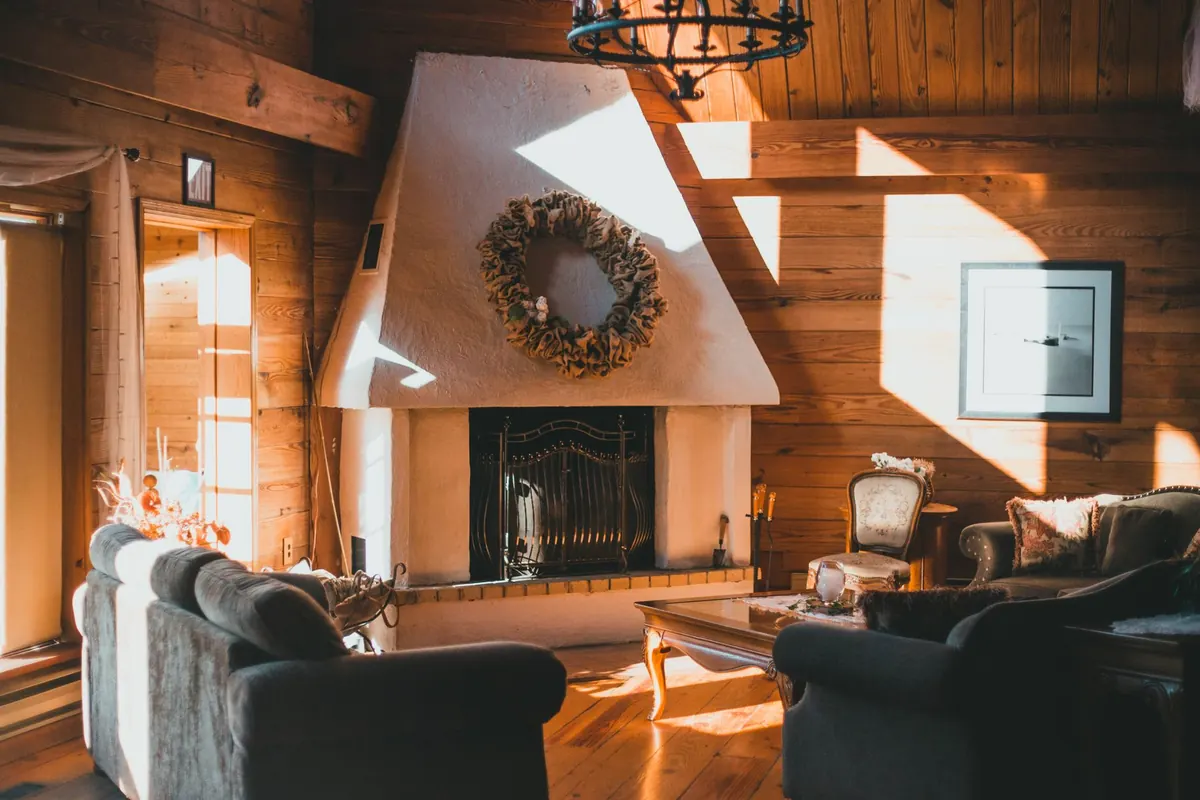
The week the clocks go back, something shifts in a house. The corner that caught the afternoon sun in June is a grey patch by four o'clock, and rooms that felt generous in summer start to feel like somewhere you are waiting rather than living. Heating helps, but only up to a point. What actually makes a home feel warm in November is a combination of texture, low light and a few small barriers against the cold. Here are fifteen updates, room by room, to carry you through to spring. Most cost very little, and none of them need a tradesperson.
Start where you sit. Living rooms feel coldest at the floor and at the edges, so that is where the first three changes go.
Nothing undoes a cosy room faster than one bright bulb in the middle of the ceiling. Aim for three pools of light in a living room and keep the overhead switch off in the evening.
4. Swap cool bulbs for warm ones. Look for 2700K, usually labelled warm white, rather than the 4000K and above sold as cool or daylight. Same lamps, entirely different room.
5. Add a second and third lamp. A table lamp beside the sofa and a floor lamp in the corner behind a chair will do more than any decorative scheme. Charity shops and house clearances are full of good bases; it is the shade and the bulb that matter. Put the lamps on one smart plug or timer so they come on together.
6. Dim the main light. A dimmer switch is a small job for an electrician, and a worthwhile one. If that is not practical, fit a lower-wattage bulb overhead and rely on the lamps. Candles count as light too — group three on a tray on the mantelpiece, keep them away from curtains, and never leave them burning in an empty room.
Warm air is expensive and it leaves through gaps you have stopped noticing. On a windy day, run the back of your hand around door frames, skirting boards and letterboxes. Then work through this:
10. Change the bedding, keep the duvet. Flannel and brushed cotton sheets feel warmer on the skin than crisp cotton, so save the summer set in a vacuum bag until April. Two lighter layers trap more air than one heavy duvet, and they are easier to adjust through the night.
11. Put heat where you need it. A folded blanket at the foot of the bed, and a hot water bottle filled ten minutes before you get in, warm the bed rather than the whole room. Always use a cover on the bottle and check it for splits before the season starts.
12. Keep the bedside light low and warm. A small lamp with a warm bulb, a tray for a book and a glass of water, and your phone charging across the room. A bright screen at midnight undoes the calm the rest of the room has been working to create.
13. Light the kitchen for evening, not for surgery. Most kitchens are lit like a workplace. A small warm lamp on a worktop corner or sideboard, switched on instead of the spots after dinner, changes the whole atmosphere.
14. Bring textiles back in. Seat pads on hard dining chairs, a runner or cloth on the table, a sheepskin over a wooden bench, and a heavier blind or curtain over a back door. Fabric absorbs sound as well as cold, so the room feels calmer as well as warmer.
15. Set the table early. On a dark evening, laying plates and glasses by lamplight before you cook turns an ordinary Thursday into something that feels looked after. It takes two minutes and costs nothing.
Do it in order of effort. Saturday morning: measure the doors and buy excluders, brush seals and a letterbox flap, then fit them while the house is quiet. Saturday afternoon: gather every lamp in the house, buy warm bulbs for the ones you keep, and move them into corners until the light feels right. Sunday: wash and store the summer bedding, put the throws out, re-cover the cushions and swap the dining textiles over.
If your budget only stretches to one thing this month, make it the lighting. Bulbs, a lamp you already own and a plug timer will do more for a dark evening than a new sofa. Then leave the rest alone, keep a blanket within reach of every seat, and let the house settle into its winter shape.
Photo: Erik Mclean / Pexels
A practical spring checklist for UK homes: cleaner windows, lighter textiles, brighter accessories and fresh...
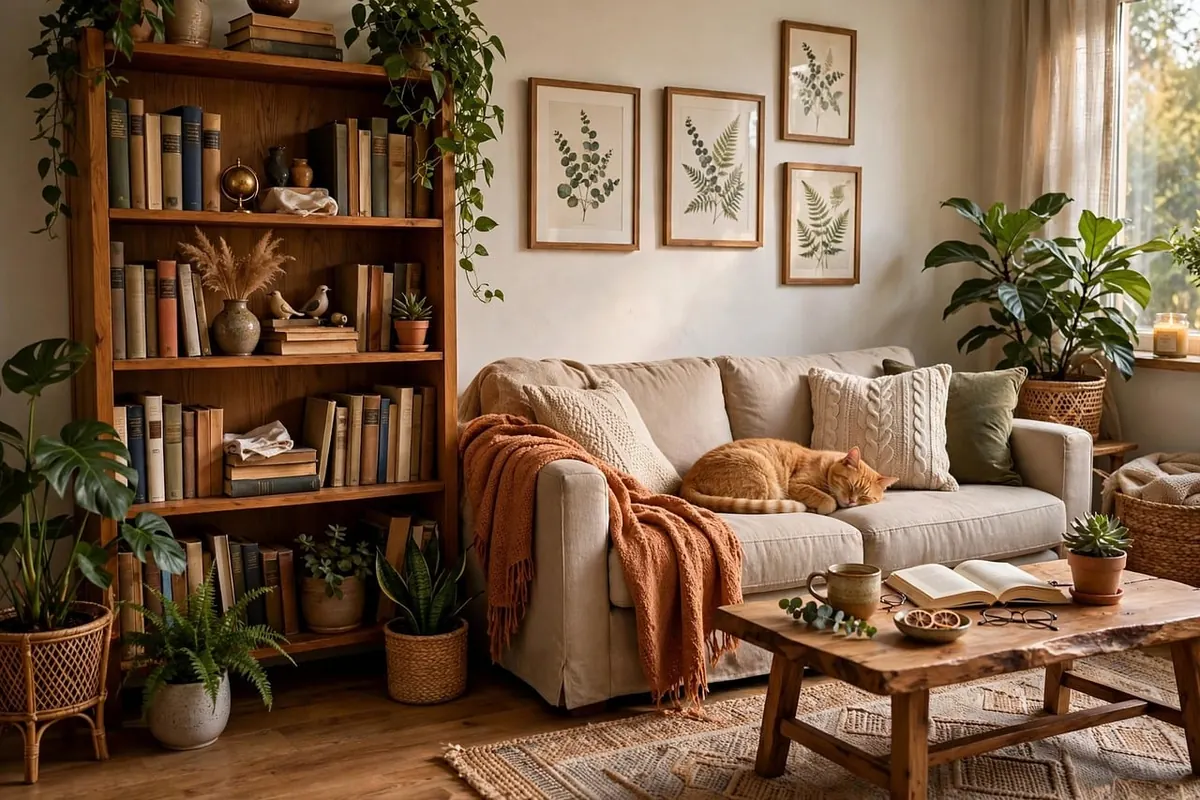
Learn how to combine linen, velvet, wool and cotton cushions by texture, scale and colour, and layer them...
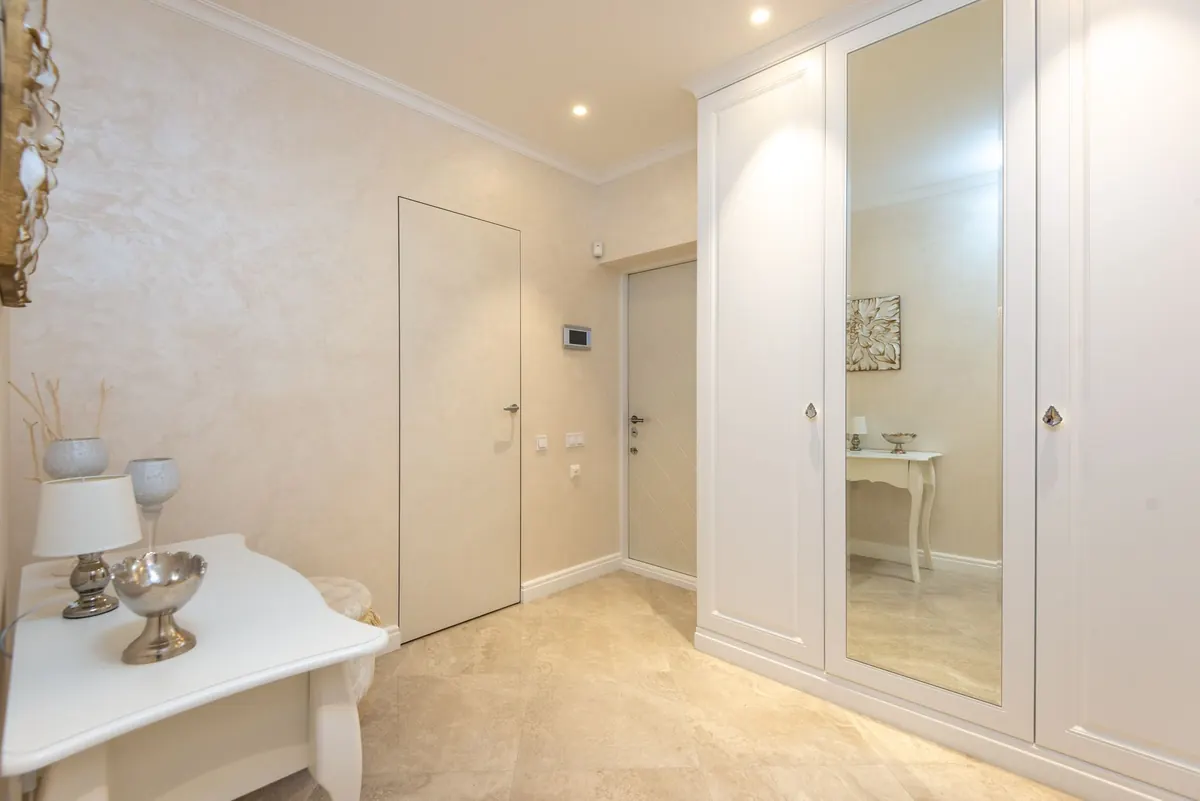
Ten practical ways to make a small UK hallway feel wider and brighter, from oversized mirrors and layered lighting...

Feather-light inspiration for beautiful rooms..